Plantain: Identification, Foraging and First-Aid Uses
A practical guide to broadleaf and ribwort plantain: how to identify both, where to forage them in the UK,...

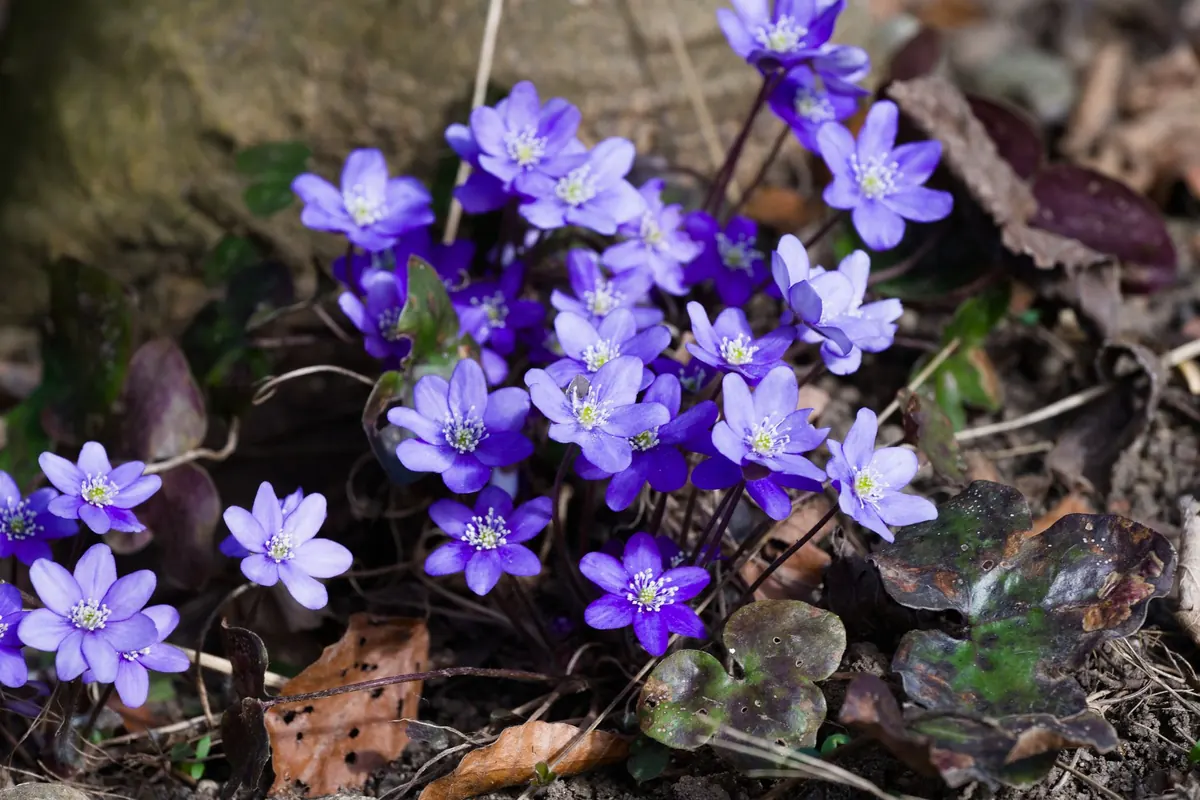
Early spring is the most generous time of year for a forager, and the least forgiving for a guesser. The woods are still open enough to see what you are doing, the nettles are tender, and wild garlic is pushing up through last year's leaves. Nearly every good edible, though, has a cousin you would rather not meet. What follows covers eight plants that are common across the UK in March and April, how to tell them from their lookalikes, and how to pick them without leaving a mess behind.
Forget the calendar and look at the ground. On a sheltered hedgerow in Cornwall you might find nettle tips in the first week of March; on a hillside in Northumberland the same plants can be a fortnight or more behind. The signals that matter are new growth: fresh leaves pushing out of last year's dead stems, rosettes sitting flat against the soil, and the first white flowers opening low in the hedge.
Early spring greens are at their best for a short window. Nettles go stringy once they flower, cleavers turn seedy and clingy, and ground elder becomes tough and coarse. Pick early, pick small amounts, and go back often.
You will not mistake it for much: opposite pairs of serrated leaves on a square stem, plus a sting that settles the argument. Take the top two or three pairs of leaves from young plants before they flower, wearing gloves, and pinch the stem so the tip comes away cleanly. A minute in boiling water kills the sting entirely. Lookalikes are harmless: white dead-nettle has white flowers and no sting, and henbit is smaller and milder.
Search damp woodland for carpets of broad, soft, lance-shaped leaves, often under beech or ash. The test is smell — crush a leaf and it should be unmistakably garlic. If it smells green and grassy, walk away. Lily of the valley and autumn crocus grow in the same woods and have similar leaves, and neither is edible. Take one leaf per plant from the edge of a large stand rather than stripping the middle.
This is the plant that sticks to your sleeves. Square stems, whorls of six to eight small leaves, and tiny white flowers later in spring. Eat it young, before it sets its little round seeds, and chop it into soup or blanch it, because raw it is rough and hairy. If it has climbed and dried out, leave it.
Arrow-shaped leaves with a sharp, lemony bite, growing in grassland and along hedges. The taste is the giveaway, though sheep's sorrel is a smaller, daintier version with the same flavour. Use it sparingly in salads or with fish. Sorrel is high in oxalates, so keep portions modest and check with a pharmacist or GP if you have kidney problems or take regular medication.
You will not get rid of it, so you might as well eat it. Look for a flat rosette of deeply toothed leaves and milky sap when you break a leaf. Young leaves picked before the flowers open are far less bitter. Cat's ear looks similar but has hairy leaves and no milky sap, and it is not worth the bother. Digging the root is a different job — only do it where you have permission.
Small, pale green, oval leaves in opposite pairs, with a single neat line of hairs running down the stem — a proper hand lens helps here. Star-shaped white flowers confirm it. It tastes mild and slightly sweet, and it belongs in a salad rather than a pot.
A gardener's curse and a forager's lunch. Leaves are divided into threes, with a ribbed stem and a parsley-and-celery smell when crushed. Pick it before the stems run in late spring. Treat it with respect: ground elder belongs to the carrot family, which contains some genuinely dangerous plants, so never gather an umbellifer you cannot name confidently. Do not put leftovers on the compost heap, either, unless you want it everywhere.
Heart-shaped leaves with toothed edges, growing along hedges and path edges. Crush one and you get a garlic-and-mustard smell. Small white four-petalled flowers appear in spring. The younger leaves are best, chopped into salads or wilted in butter.
The dangerous mistakes fall into two groups. The first is wild garlic: lily of the valley, autumn crocus and young lords-and-ladies all grow in the same damp woodland, and none of them smells of garlic. If in doubt, bruise a leaf and trust your nose.
The second is the carrot family. Cow parsley, fool's parsley and hemlock can all be found in similar places, and hemlock water dropwort grows in wet ground nearby. The rule is simple: if a plant has feathery or divided leaves and smells of parsley or carrot, and you are not completely certain what it is, leave it standing. No meal is worth that risk.
Go out with a good field guide and, if you can, a second source to check against — a phone app on its own is not enough. Start with nettles, wild garlic and chickweed, which are hard to get wrong and easy to cook. Photograph anything you are unsure of and leave it where it grows. Keep a note of where you found good patches and when they were at their best; over a couple of seasons that notebook becomes more useful than any guide.
And take your time. Early spring rewards slow walking, close looking and a willingness to go home with an empty basket rather than a wrong one. If you are pregnant, breastfeeding, on regular medication or managing a health condition, speak to your GP or pharmacist before making wild plants a regular part of your diet.
Photo: Jean-Paul Wettstein / Pexels
A practical guide to broadleaf and ribwort plantain: how to identify both, where to forage them in the UK,...
Cold water draws out the delicate aromatics and soothing gels that heat destroys. Here is how to make a...
A month-by-month guide to UK foraging, from March nettles to winter jelly ear, with practical picking...