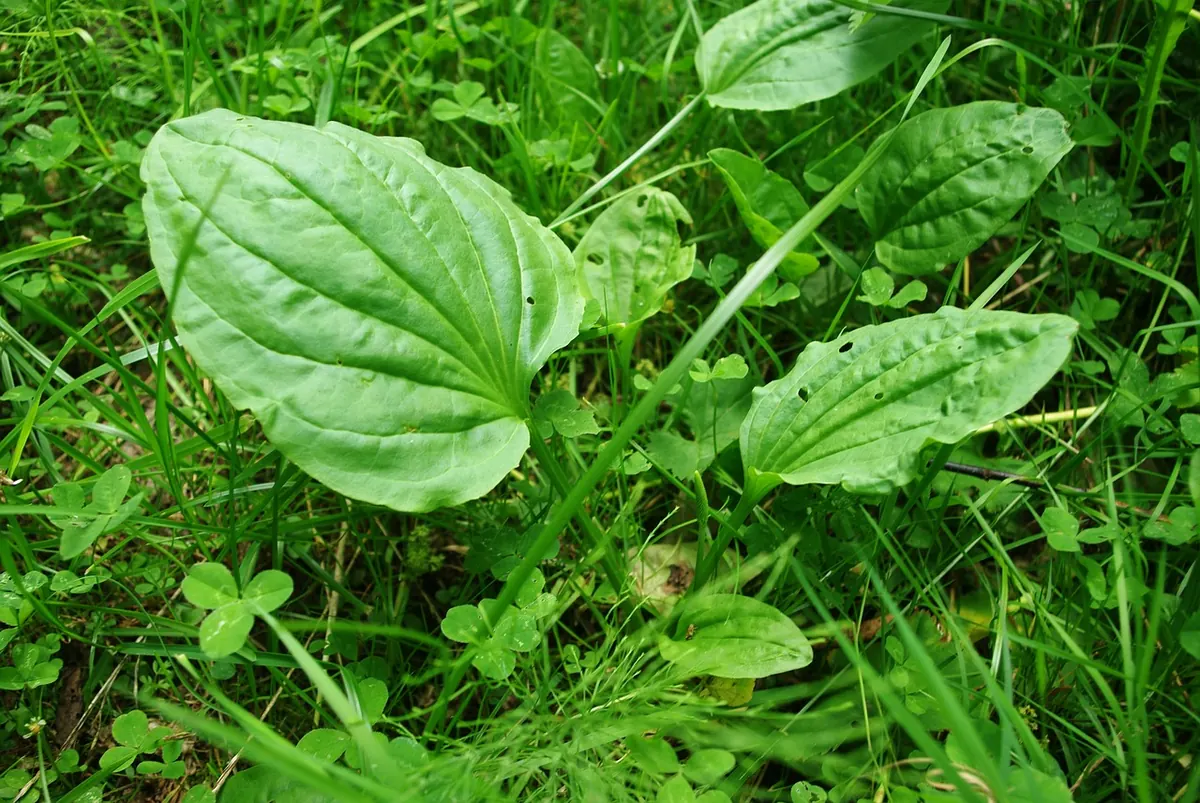
Plantain: Identification, Foraging and First-Aid Uses
A practical guide to broadleaf and ribwort plantain: how to identify both, where to forage them in the UK,...

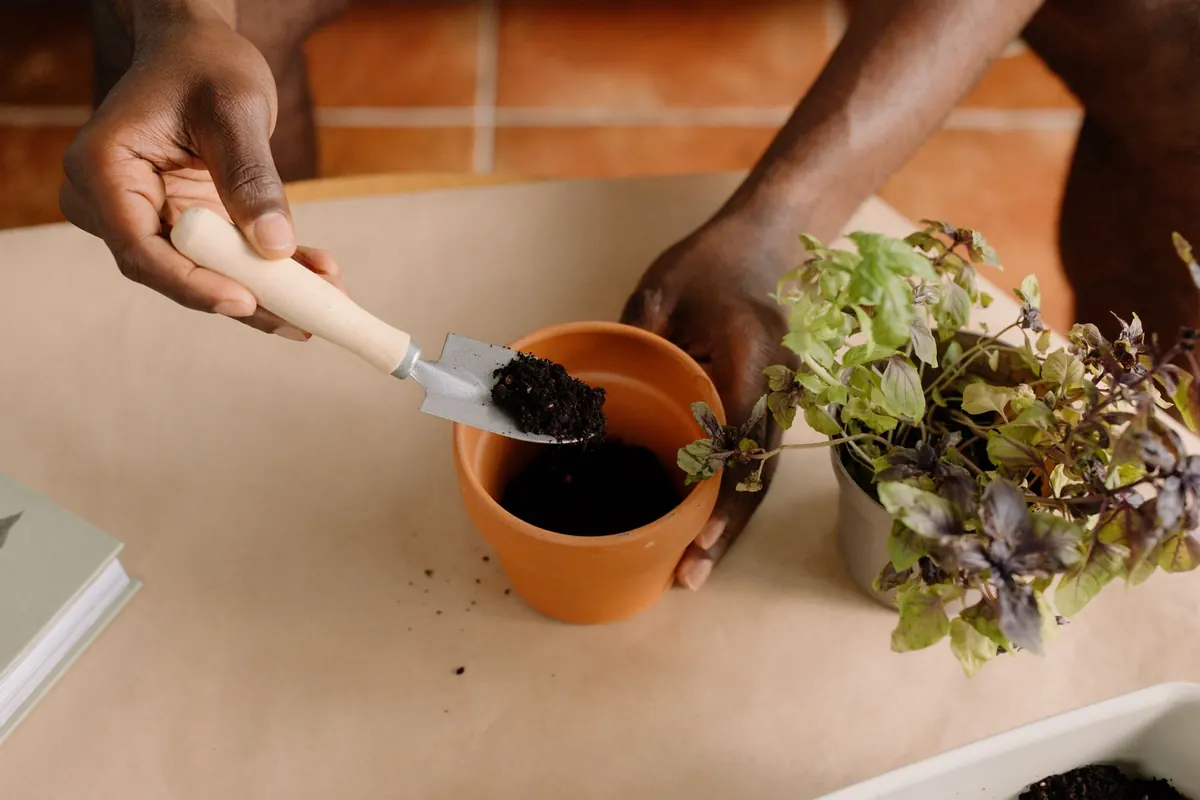
You do not need an apothecary's cupboard or a large garden to start working with herbs. A few pots on a sunny windowsill, a doorstep planter or a corner of the veg patch will give you more than enough for teas, gargles and simple skin remedies. Every plant below grows reliably in the UK, is easy to identify once you know it, and has a long history of ordinary household use. What follows is deliberately modest: what each herb is traditionally used for, how to prepare it, and what to watch out for. Nothing here replaces advice from a doctor or pharmacist — especially if you take prescribed medicines, are pregnant or breastfeeding, or are treating a child.
All ten are hardy, cheap to buy as seed or young plants, and useful in the kitchen as well as the remedy cupboard.
A forgiving plant that will happily take over a border if you let it, so grow it in a pot if you would rather it stayed put. Two or three fresh leaves, or a teaspoon of dried, in a mug of just-boiled water, covered and left for eight minutes, makes a light lemony tea. Traditionally used for low spirits, tension and a churning stomach. If you take thyroid medication, keep your intake modest and mention the tea to your pharmacist.
German chamomile is the annual usually grown for tea, with small daisy flowers on upright stems. Pick the flowers on a dry morning and dry them on a tray. A rounded teaspoon per mug, steeped covered, is the standard infusion; a cooled version also makes a gentle wash for itchy or irritated skin. Avoid it if you react to plants in the daisy family.
This is not a daily drinking herb — the flowers turn soapy and overpowering if you use too much. Its best household uses are aromatic: a few drops of properly diluted essential oil on a tissue by the bed, a handful of dried flowers in a warm bath, or a cooled infusion in a compress for a minor burn. Never take essential oil internally, and keep undiluted oil away from children.
One teaspoon of dried leaf or a small sprig of fresh in a covered mug, steeped five to seven minutes, drunk after a meal. Garden mint will do at a push, but true peppermint is the stronger digestive. If you suffer from reflux or heartburn, skip it — mint relaxes the valve at the top of the stomach and can make symptoms worse. Avoid medicinal amounts if you have gallstones.
Grow it for the seeds, which ripen from the flat yellow flower heads in late summer. A teaspoon of lightly crushed seeds per mug, steeped for ten minutes, is sweet and settling. Avoid concentrated fennel preparations during pregnancy and keep them away from young children; fennel used as a vegetable or seasoning in food is a different matter.
A teaspoon of dried leaf in a mug, steeped ten minutes and loosened with honey, is the traditional cough tea. A stronger, cooled infusion makes a reasonable gargle when your throat is raw. Thyme is safe in cooking quantities, but neat essential oil should never be swallowed.
Make a strong infusion, let it cool, and use it as a gargle for sore throats and tender gums. Sage is also a traditional herb for hot flushes and night sweats, usually taken as a cooled tea. Avoid medicinal doses in pregnancy and breastfeeding, since it can reduce milk supply, and avoid it altogether if you have epilepsy.
Warming and stimulating, rosemary has a long reputation for circulation and clear thinking. A generous sprig in a mug makes a bracing morning tea, and a cooled infusion poured over the hair after washing makes a simple conditioning rinse. Keep to culinary and tea amounts in pregnancy rather than concentrated extracts.
Calendula is the one to sow generously. Fill a clean jar with dried petals, cover them completely with sunflower or olive oil, and leave it on a sunny windowsill for three to four weeks, shaking it every few days. Strain, store the oil somewhere cool, and use it on chapped hands, grazes and dry patches. If you are sensitive to daisy-family plants, patch-test first.
Nettle is worth having for the spring tops alone. Wear gloves, pick the top four leaves before the plants flower, then blanch them for soup or dry them for tea. Traditionally used as a general tonic and for joint aches and hay fever. Take care if you use blood thinners, blood pressure or diuretic medication, as nettle can add to their effects.
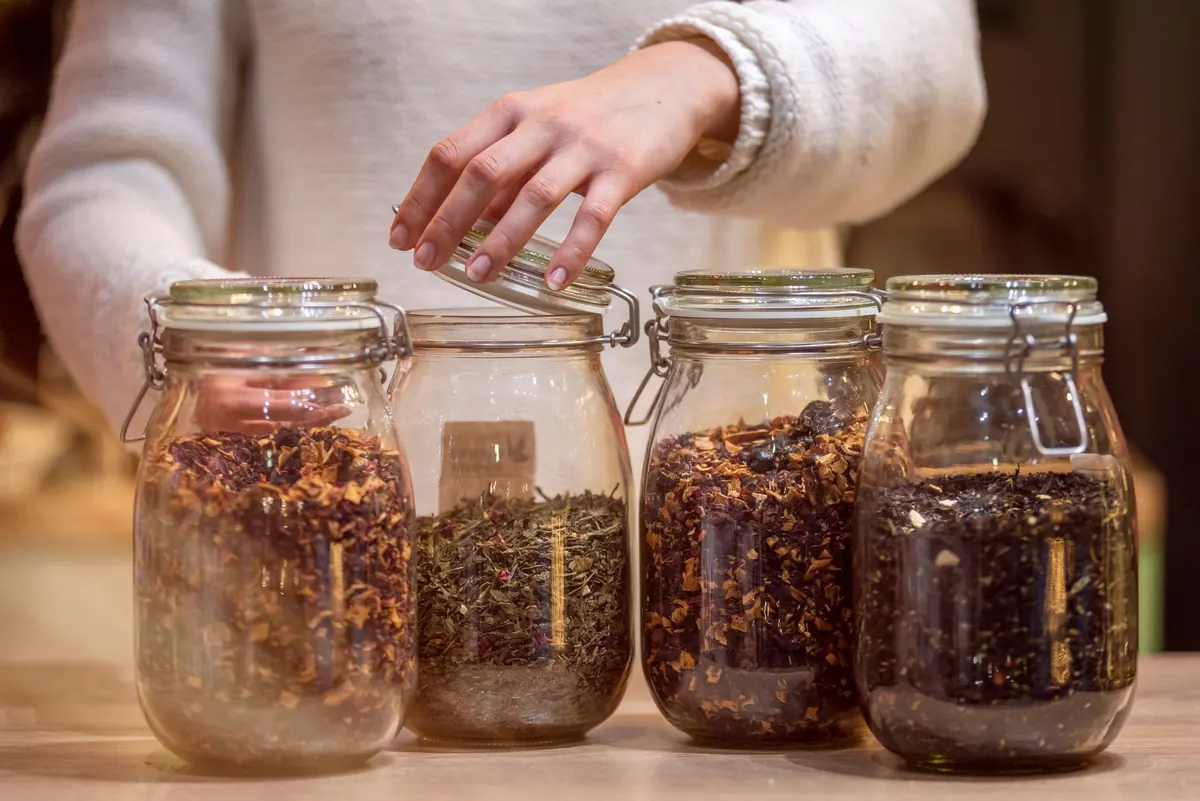
For a proper brew, use a teapot and double the quantities. Leafy herbs give up their flavour quickly; seeds and roots need a slow ten to fifteen minutes.
Choose three plants this year, not ten: something for digestion, something calming, and calendula for skin. Grow them in pots of ordinary compost on a sunny sill or patio, water them properly, and pinch out the tops to keep them bushy. Harvest in the morning once the dew has dried, dry small bunches in a dark, airy room, and store the crumbled leaves in labelled jars. Keep a notebook of what you made, how strong it was and how it tasted. That record will teach you more than any book, and by next spring you will know exactly which herbs earn their place in your garden.
Photo: cottonbro studio / Pexels
A practical guide to broadleaf and ribwort plantain: how to identify both, where to forage them in the UK,...
Cold water draws out the delicate aromatics and soothing gels that heat destroys. Here is how to make a...
A month-by-month guide to UK foraging, from March nettles to winter jelly ear, with practical picking...