Plantain: Identification, Foraging and First-Aid Uses
A practical guide to broadleaf and ribwort plantain: how to identify both, where to forage them in the UK,...

Most herbal teas begin with a kettle. For a certain group of plants, that is the worst possible start. Aromatic herbs such as lemon balm and peppermint keep their fragrance in volatile oils that disappear in steam, while mucilaginous herbs such as marshmallow root and linseed release their soothing gel best in water that never gets warm at all. A cold infusion — also called a cold maceration — is simply steeping those plants in cold water for several hours. It takes longer than a brew, but it asks almost nothing of you in return.
Heat is an efficient extractor, but it is not a selective one. Pour boiling water over a fragile leaf and you pull out bitterness and tannins along with the compounds you were after. The volatile oils that give peppermint, fennel and chamomile their scent are lighter than water and quick to evaporate, so the very act of brewing sends much of the aroma up into the kitchen rather than into your cup.
Mucilage behaves differently again. It is a slippery, gel-like substance found in plants such as marshmallow, linseed and slippery elm, and it forms a soothing film that coats and calms irritated tissue. Hot water can break down that structure or draw it out so fast that you end up with something closer to wallpaper paste than a drink. Cold water coaxes it out slowly, giving a silky liquid with a mild, faintly sweet taste.
As a bonus, cold maceration is gentler on flavour. The result is softer and more rounded than a hot tea, which is why it makes such a good base for iced drinks.
Cold infusions shine with two groups: the mucilaginous and the aromatic. If your herb is either, it will almost certainly benefit.
Dried herbs work best for roots, barks and seeds, which keep their potency for a year or more in a dark jar. Fresh leaves and flowers are lovely in summer if you have them to hand, but use roughly twice the volume, as fresh plant material is mostly water.
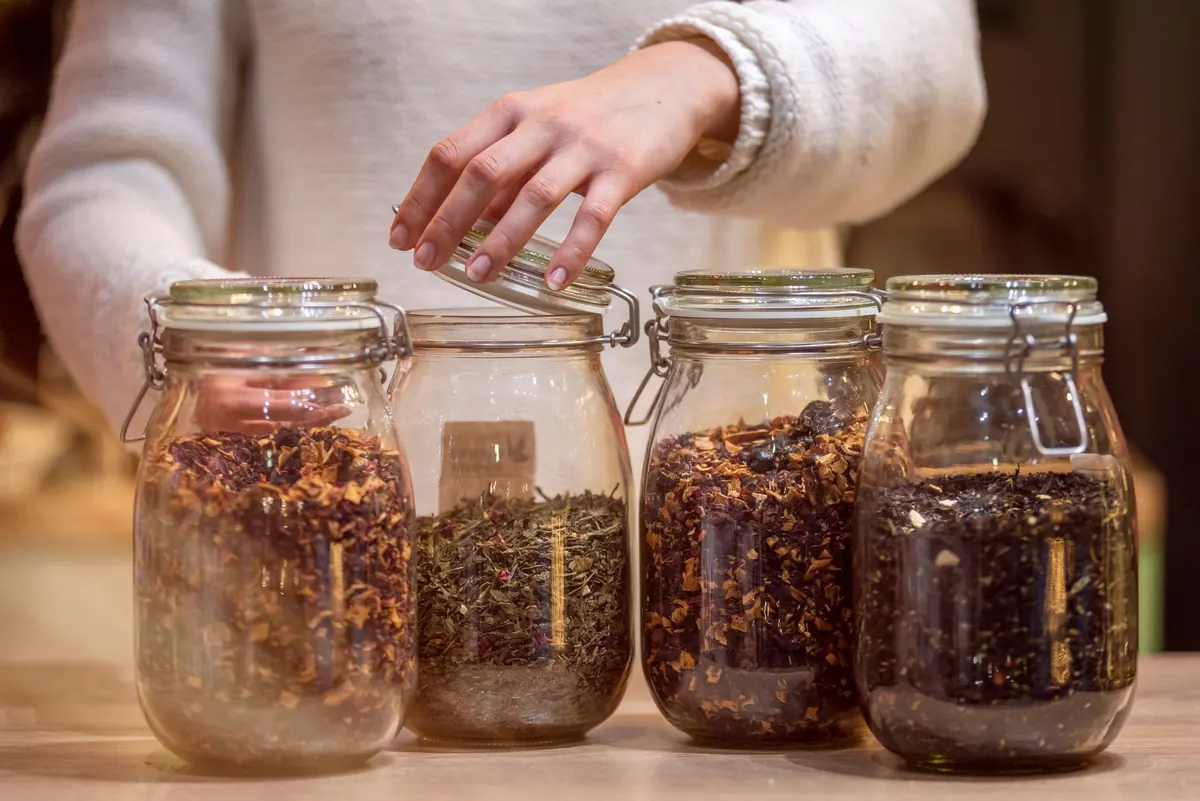
A clean glass jar or jug, a lid or small plate to cover it, a fine sieve, and a square of muslin or a clean cotton cloth for powdery herbs and small seeds. Filtered water is worth using if your tap water is heavily chlorinated, since chlorine flattens the taste of delicate flowers. Room-temperature water is what you want — cold from the tap is fine, but ice water slows the extraction and leaves you waiting longer for a weaker result.
The most frequent one is adding a splash of hot water "just to get it started". That defeats the whole purpose: the volatiles go up in steam and the mucilage turns gluey. Start cold and stay cold.
Using too much herb is the second trap. A tablespoon of linseed in a small mug will set into something you could tile a bathroom with. If your infusion is thicker than you would like, dilute it with cold water rather than starting again.
Not covering the jar is a smaller but real problem, since fats and aromas in the fridge transfer easily. And do not expect a mucilaginous infusion to taste like much. Marshmallow and linseed are bland by nature — the value is in the texture, not the flavour, so feel free to pair them with mint, lemon or a little honey.
Drunk chilled, a cold infusion is refreshing and easy on a sore throat. Peppermint or lemon balm over ice with a slice of lemon is a good summer drink, and a chamomile or fennel infusion makes a gentle evening cup.
Mucilaginous infusions are useful outside the mug, too. Soak a clean cloth in cooled marshmallow or linseed infusion and hold it against dry, itchy or irritated skin for ten minutes or so. A plain cold infusion also works as a gargle, or as the liquid for a cooling bath. Some people stir a spoonful into porridge or a smoothie; the texture is a little unusual, but it slips down easily.
If you have a glut, freeze the strained liquid in ice cube trays and drop a cube into a glass of water later. The gel will loosen slightly on thawing, which does not matter in a drink.
The trick with cold infusions is to stop thinking of them as a recipe and start thinking of them as a jug in the fridge. Put a spoonful of marshmallow root or a handful of lemon balm in a jar before bed, cover it with water, and strain it in the morning while the kettle is on for something else. It takes two minutes and keeps you in soft, fragrant drinks all day.
Buy herbs in small quantities from a supplier you trust, store them somewhere dark and cool, and replace them once they lose their scent — an aromatic herb that no longer smells of anything will not give you much in cold water either.
A sensible note on safety: herbs are not automatically harmless because they are gentle. If you are pregnant or breastfeeding, taking prescription medication, or managing a health condition, check with a qualified herbalist, pharmacist or doctor before using any herb regularly. A cold infusion is a pleasant, traditional way to enjoy plants, not a substitute for proper medical care.
Photo: Piotr Arnoldes / Pexels
A practical guide to broadleaf and ribwort plantain: how to identify both, where to forage them in the UK,...
A month-by-month guide to UK foraging, from March nettles to winter jelly ear, with practical picking...
Fresh and dried herbs behave differently in tea, tinctures and oils. Compare potency, preparation, storage...