Plantain: Identification, Foraging and First-Aid Uses
A practical guide to broadleaf and ribwort plantain: how to identify both, where to forage them in the UK,...

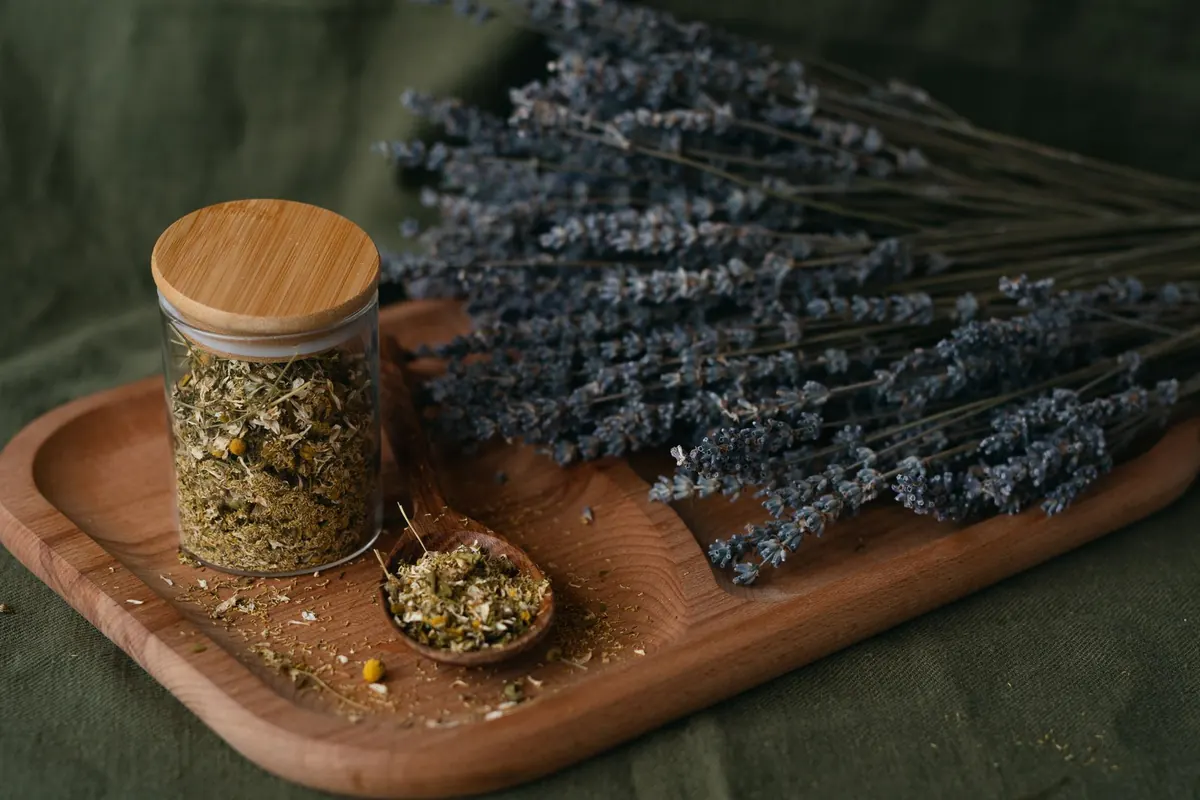
Half past nine, the dishes are done, and your brain has decided this is the perfect moment to replay every awkward conversation since 2011. A cup of tea will not fix that on its own. But the right cup, drunk slowly over ten quiet minutes, can give your evening a shape — a signal that the day is closing down. Herbal teas are inexpensive, gentle and easy to work into a routine. Here is what is worth keeping in the cupboard, three blends to try first, and how to brew them so they actually taste good.
The most underrated ingredient in a sleep tea is the pause. Making it takes a few minutes. Drinking it takes a few more. In that window you are not scrolling, not answering messages, not staring at a screen — and that alone changes the tone of the hour before bed.
There is also the obvious swap. If your evening mug has been builder's tea, green tea or coffee, you have been topping up caffeine at exactly the wrong time. Caffeine lingers for hours, and plenty of people who insist it does not affect them sleep better within a week of moving their last caffeinated drink to early afternoon. Choosing a herbal blend removes that problem entirely.
Warm liquid also nudges your body temperature, which then dips slightly as you cool down again — one of the natural cues for sleep. The effect is mild, but mild is fine. You are building a routine, not knocking yourself out.
You do not need a shelf full of jars. Five or six herbs cover most beginner blends, and all of them are widely available loose or in teabags.
If your problem is more "I cannot get comfortable because my dinner is sitting heavily" than "my mind is racing", skip the calming herbs and try peppermint or fennel after your meal instead.
One teaspoon of chamomile flowers and one teaspoon of lemon balm per mug. This is the blend to start with if you have never made herbal tea from loose herbs. It is forgiving, tastes familiar and works at any strength.
One teaspoon of lime flower, one teaspoon of chamomile and a small pinch of lavender. Steep for four to five minutes. Lighter and more perfumed than the first blend — good if you find plain chamomile a bit dull.
One teaspoon of passionflower, one teaspoon of lemon balm and, if you already know it suits you, half a teaspoon of valerian root. Give it six to eight minutes. This is the cup for nights when you are wound tight, and it is worth making in a small teapot so the herbs have room to move.
Most disappointing herbal tea is disappointing because of the method, not the herbs. Water straight off a rolling boil scalds delicate flowers and brings out bitterness; water that is barely hot extracts almost nothing. Aim for just-off-the-boil — the stage where the kettle has stopped rumbling but the water is still steaming hard.
Always cover the cup while it steeps. The aromatic oils that give these herbs their character are volatile, and a saucer or lid keeps them in the mug rather than in the kitchen. Taste as you go rather than trusting the packet: four minutes is right for flowers, six to eight for roots and tougher leaves.
If your tea tastes harsh or medicinal, you have either used too much herb or left it too long. Halve the quantity and try again.
Loose herbs give a better cup than most bags, but they need an infuser or a small teapot. A simple approach: mix a week's worth of your chosen blend in a clean jar, so the measuring is already done when you are tired.
Start the kettle about an hour before you want to be asleep, not five minutes before. Drink the tea somewhere other than your bed, with the lights low and your phone out of reach. Keep the mug to a sensible size — a pint of liquid at 10pm is a reliable way to wake at 3am needing the bathroom.
Then give it a fortnight of consistency before you judge it. One cup on a stressful Tuesday proves nothing. Fourteen evenings of the same routine starts to teach your body what comes next. Alcohol, however tempting, works against you here: it may help you fall asleep, but it tends to break sleep later on.
Herbal teas are mild, but they are not inert. If you are pregnant or breastfeeding, giving tea to a young child, or taking prescription medication — particularly sedatives, thyroid medicines or blood thinners — speak to your GP or pharmacist before adding a nightly herbal blend. Buy from a reputable supplier so you know what is in the bag, and stop if anything disagrees with you.
And if you have been sleeping badly for weeks, or you snore heavily, gasp or wake unrefreshed, that is a conversation for a doctor rather than a teapot.
Pick one blend. Buy small quantities of two or three herbs rather than a cupboard full, keep them where you will see them at 9pm, and make the same cup at the same time each evening for two weeks. Note how you feel in the morning, adjust the blend, and keep what works. Three herbs, five quiet minutes and a covered mug is a perfectly good place to begin.
Photo: Grigoriy Konsevich / Pexels
A practical guide to broadleaf and ribwort plantain: how to identify both, where to forage them in the UK,...
Cold water draws out the delicate aromatics and soothing gels that heat destroys. Here is how to make a...
A month-by-month guide to UK foraging, from March nettles to winter jelly ear, with practical picking...