Plantain: Identification, Foraging and First-Aid Uses
A practical guide to broadleaf and ribwort plantain: how to identify both, where to forage them in the UK,...

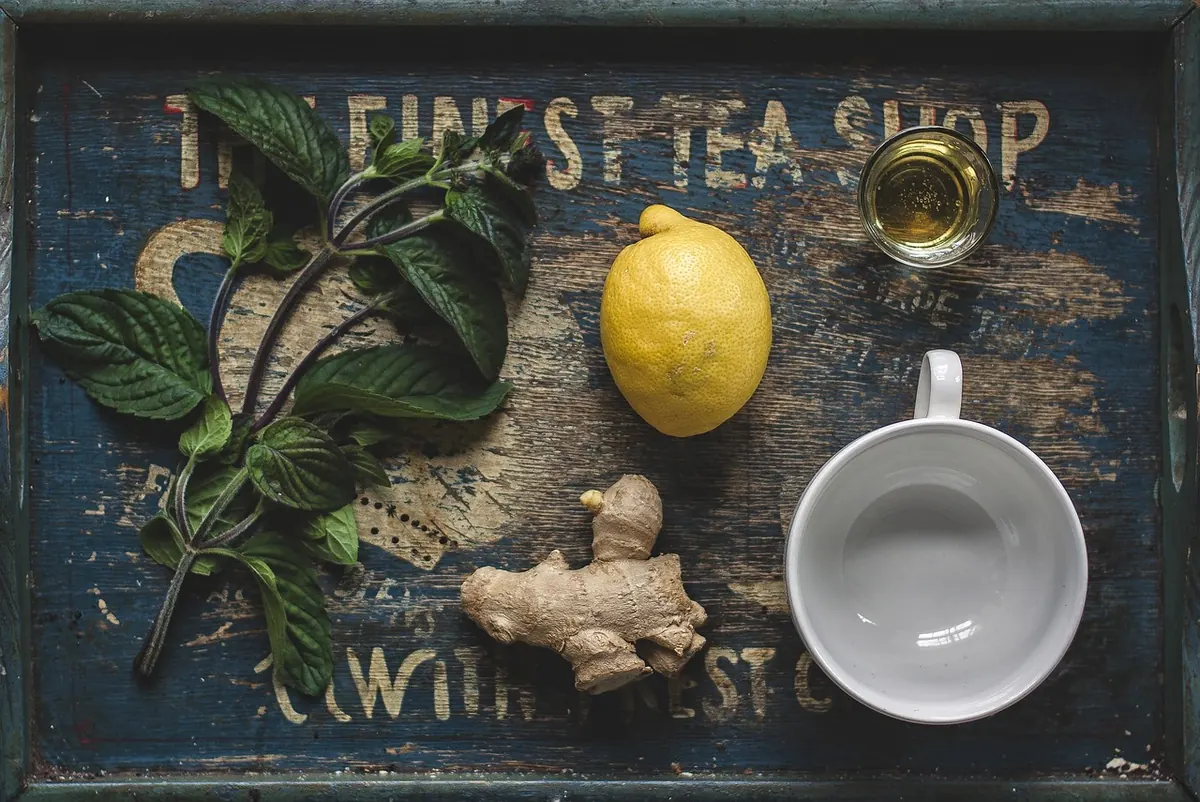
A herbal infusion is the simplest thing in the herbal cupboard: plant material, hot water, a lid and a few minutes of patience. It is also the most forgiving. Get three things right — the right part of the plant, a sensible amount, and a steeping time that suits it — and you end up with something that tastes of the plant itself rather than of dusty tea bags.
Everything here applies to hot infusions made by the mug or the small pot. Treat it as a starting point; after a few cups you will adjust by taste without thinking about it.
An infusion is what most people mean by herbal tea. You pour hot water over soft plant material, cover it and let it steep. Leaves, flowers and leafy aerial parts release their flavour and aromatics quickly, so hot water and a lid are all they need.
A decoction is the same idea applied to tough material. Roots, bark, woody stems, dried berries and hard seeds need sustained heat, so they are simmered gently in a pan for 15 to 30 minutes instead of steeped. Ginger root, dandelion root and cinnamon bark belong here.
Plenty of blends use both methods: simmer the woody ingredients first, then take the pan off the heat and add the leaves to steep for the final few minutes. Skip that step and simply pour boiling water over a chopped root, and you will get a pale, faintly disappointing drink.
The short version: if it is soft and dry, infuse it; if it is hard and woody, simmer it. These all work well as straightforward infusions:
Ginger, cinnamon, licorice root, dandelion root, burdock and most barks. Use them in a pan, or add them to a blend that is simmered before the leaves go in.
Start with one heaped teaspoon of dried herb — roughly 2 to 3 g — per 250 ml mug of water. Fresh herbs need about twice that, since they hold water and their flavour is less concentrated. A small teapot is easier than a mug: it holds the heat, gives the herb room to move, and makes two cups at once.
Water just off the boil, around 90–95°C, suits most dried herbs. Delicate flowers and seeds do better with water left to stand for a minute after boiling. Pour it over the herb rather than the other way round, so everything gets properly wet.
Then cover it. A saucer on a mug or the lid on a teapot is not fussiness — the aromatic oils that give an infusion most of its character are volatile, and they will leave with the steam if you let them.
Timing affects the final cup more than the quantity of herb does. As a guide:
Longer is not automatically better. Past a certain point you are drawing out tannins and bitterness rather than flavour, which is why a ten-minute peppermint infusion can taste harsh where a five-minute one tastes clean.
Blending is where infusions get interesting. A reliable formula is two parts main herb, one part supporting herb, one part flavouring — two parts nettle leaf, one part raspberry leaf, one part peppermint, for instance. Write down what you used, including the steeping time, or you will never quite recreate the good ones.
If a cup is too bitter, it has usually steeped too long; shorten the
Photo: Leon_Ting / Pixabay
A practical guide to broadleaf and ribwort plantain: how to identify both, where to forage them in the UK,...
Cold water draws out the delicate aromatics and soothing gels that heat destroys. Here is how to make a...
A month-by-month guide to UK foraging, from March nettles to winter jelly ear, with practical picking...